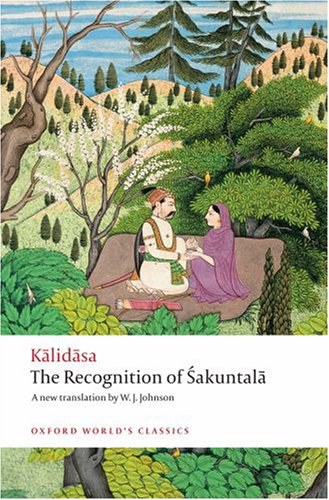
The Recognition of Sakuntala
内容简介
Kalidasa's play about the love of King Dusyanta for Sakuntala, a monastic girl, is the supreme work of Sanskrit drama by its greatest poet and playwright (c.4th century CE). Overwhelmingly erotic in tone and in performance, The Recognition of Sakuntala aimed to produce an experience of aesthetic rapture in the audience, comparable to certain types of mystical experience. The pioneering English translation of Sakuntala in 1789 caused a sensation among European composers and writers (including Goethe), and it continues to be performed around the world. This vibrant new verse translation includes the famous version of the story from the Mahabharata, a poetic and dramatic text in its own right and a likely source for Kalidasa. The introduction discusses the play in the aesthetic and cultural context of ancient India.
作者简介
Kālidāsa (Sanskrit: कालिदास, "Servant of Kali"; 4th–5th century CE) was a Classical Sanskrit author who is often considered ancient India's greatest poet and playwright. His plays and poetry are primarily based on Hindu Puranas and philosophy. His surviving works consist of three plays, two epic poems and two shorter poems. Much about his life is unknown except what can be inferred from his poetry and plays. His works cannot be dated with precision, but they were most likely authored before the
点击查看全部下载链接(含网盘地址及提取码)