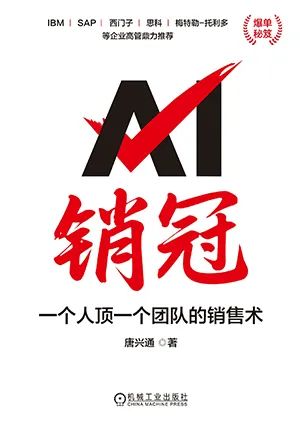
内容简介
An American in China: Richard Nixon's historic 1972 visit
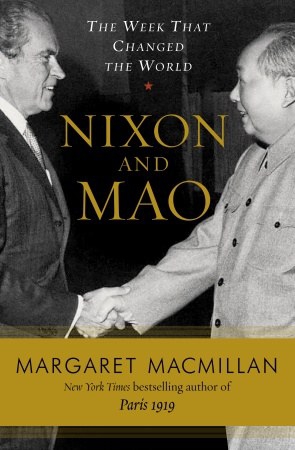
It is hard to imagine a more cynical and self-serving quartet than Richard Nixon and Mao Tse-tung and their eager deputies, Henry Kissinger and Chou En-Lai. Yet during the last week of February 1972, these four schemers, each trying mightily to out-finesse the other, succeeded collectively in advancing the cause of international peace and stability, as chronicled in Margaret MacMillan's Nixon and Mao: The Week That Changed the World.
For all his amply cataloged faults, President Nixon took a significant political risk in bearing an olive branch to the People's Republic of China after having been a part of the apparatus that had vilified that country since the Communists came to power there in 1949. During this period, the official U.S. policy was that the government on the island of Taiwan represented the real China.
But geopolitical circumstances were changing. It had become increasingly clear that the Soviet Union and the People's Republic were not the Communist monolith they once seemed to be. Moreover, Nixon was bogged down in Vietnam and thought that China, which was aiding the North Vietnamese, could ease the pressure and thus contribute to a face-saving end to the war. While the American public may have viewed Nixon's change of attitude toward China as sudden, the truth was that he had been working behind the scenes to reach an accommodation for at least three years before he made his visit to Beijing. In fact, he had signaled this softening as early as the fall of 1970 when, for the first time, he openly referred to the country as "the People's Republic of China" rather than as the still-prevailing "Red" or "Communist" China.
MacMillan, who teaches history at the University of Toronto, has a genius for making complex events and individuals understandable. As she did in her masterful Paris 1919: Six Months That Changed the World, she embeds here a fairly concise central narrative within a carefully cha
点击查看全部下载链接(含网盘地址及提取码)