内容简介
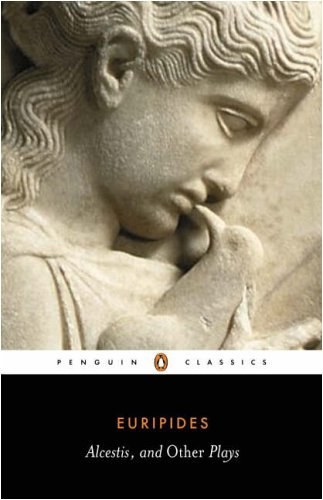
One of the greatest playwrights of Ancient Greece, the works of Euripides (484 406 BC) were revolutionary in their depiction of tragic events caused by flawed humanity, and in their use of the gods as symbols of human nature. The three plays in this collection show his abilities as the sceptical questioner of his age. Alcestis, an early drama, tells the tale of a queen who offers her own life in exchange for that of her husband; cast as a tragedy, it contains passages of satire and comedy. The tragicomedy Iphigenia in Tauris melodramatically reunites the ill-fated children of Agamemnon, while the pure tragedy of Hippolytus shows the fatal impact of Phaedra's unreasoning passion for her chaste stepson. All three plays explore a deep gulf that separates man from woman, and all depict a world dominated by amoral forces beyond human control.
作者简介
Euripides (; Ancient Greek: Eὐριπίδης, romanized: Eurīpídēs, pronounced [eu̯.riː.pí.dɛːs]; c. 480 – c. 406 BC) was a Greek tragedian of classical Athens. Along with Aeschylus and Sophocles, he is one of the three authors of Greek tragedy for whom any plays have survived in full. Some ancient scholars attributed ninety-five plays to him, but the Suda says it was ninety-two at most. Nineteen plays attributed to Euripides have survived more or less complete, although one of these (Rhesus) is often
点击查看全部下载链接(含网盘地址及提取码)